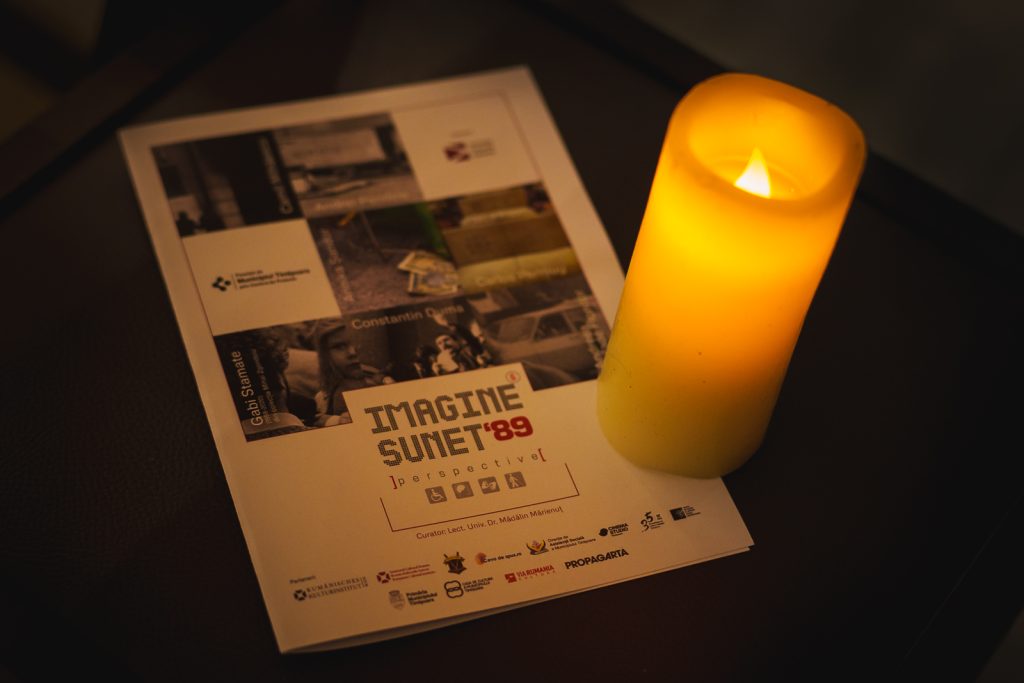

IMAGINE.SUNET.’89. Perspective
Lecturer PhD Mădălin Mărienuț, Curator
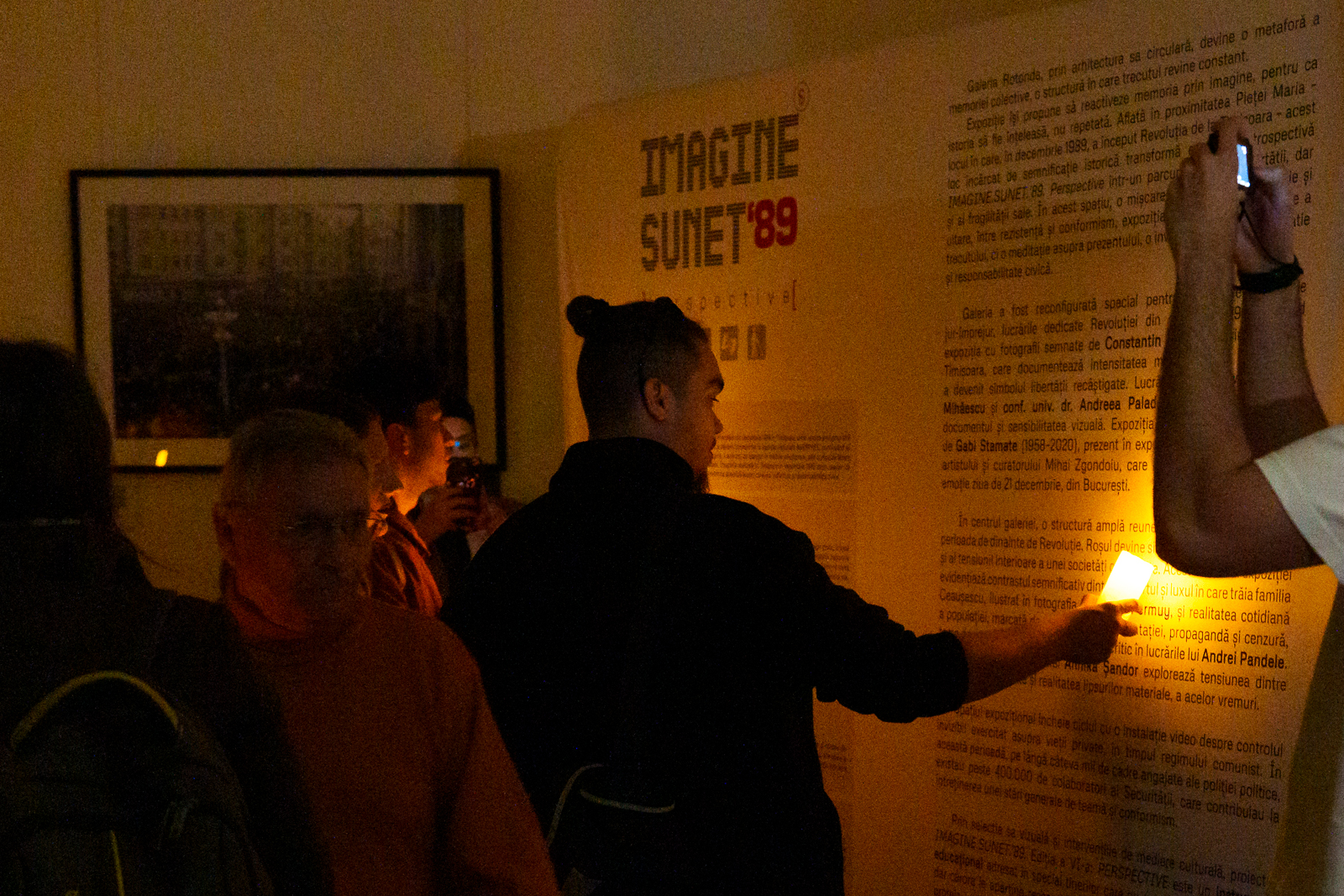
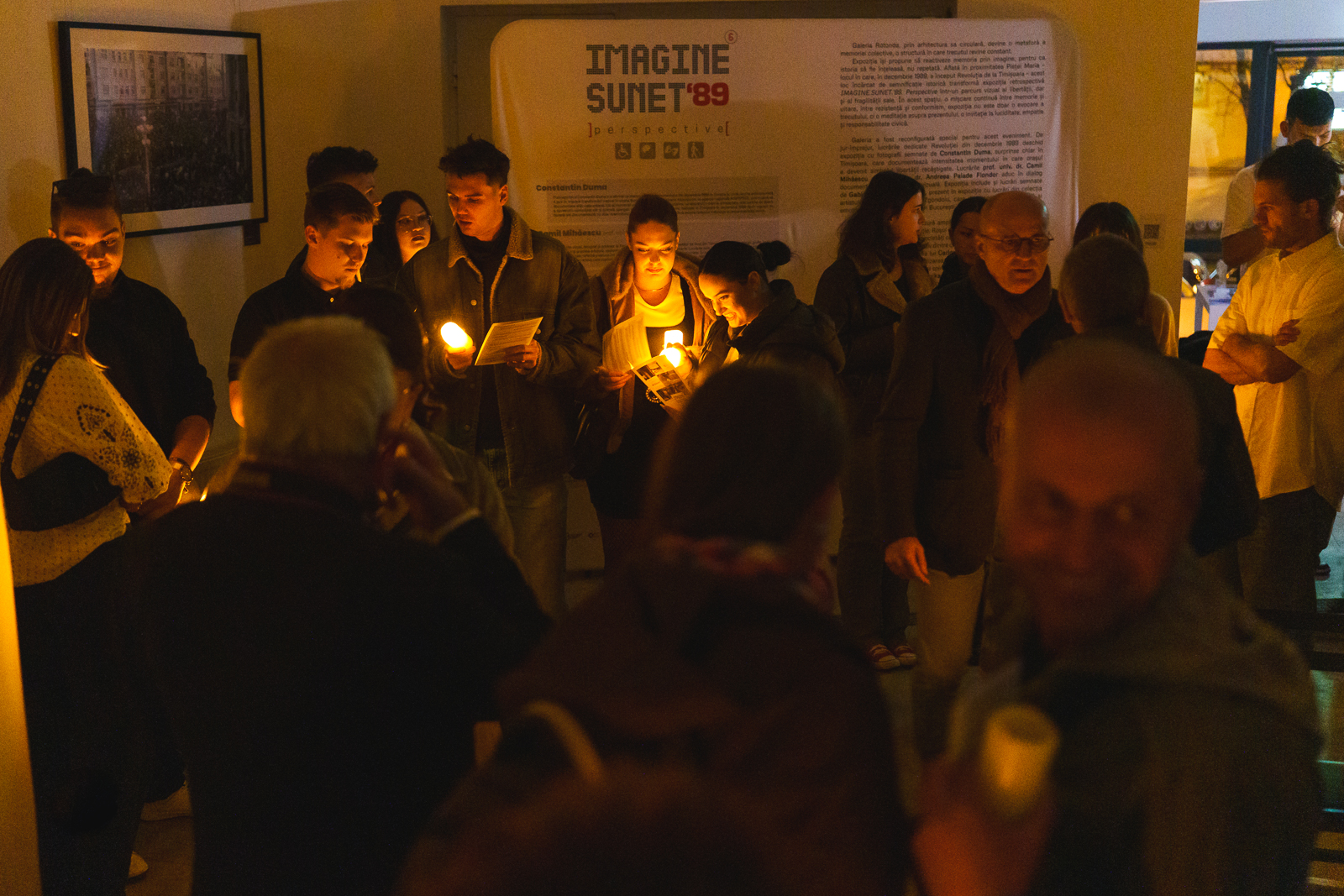
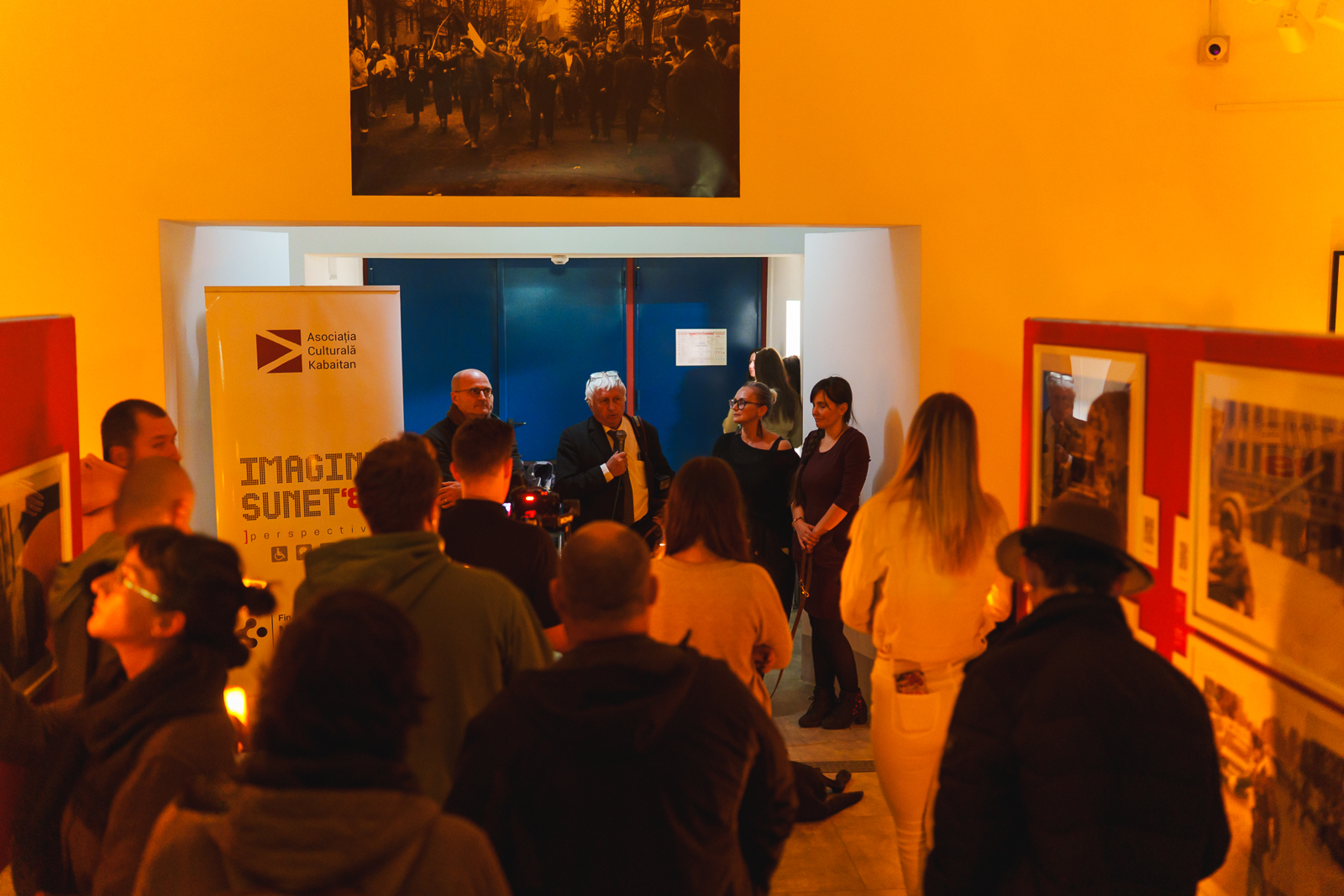
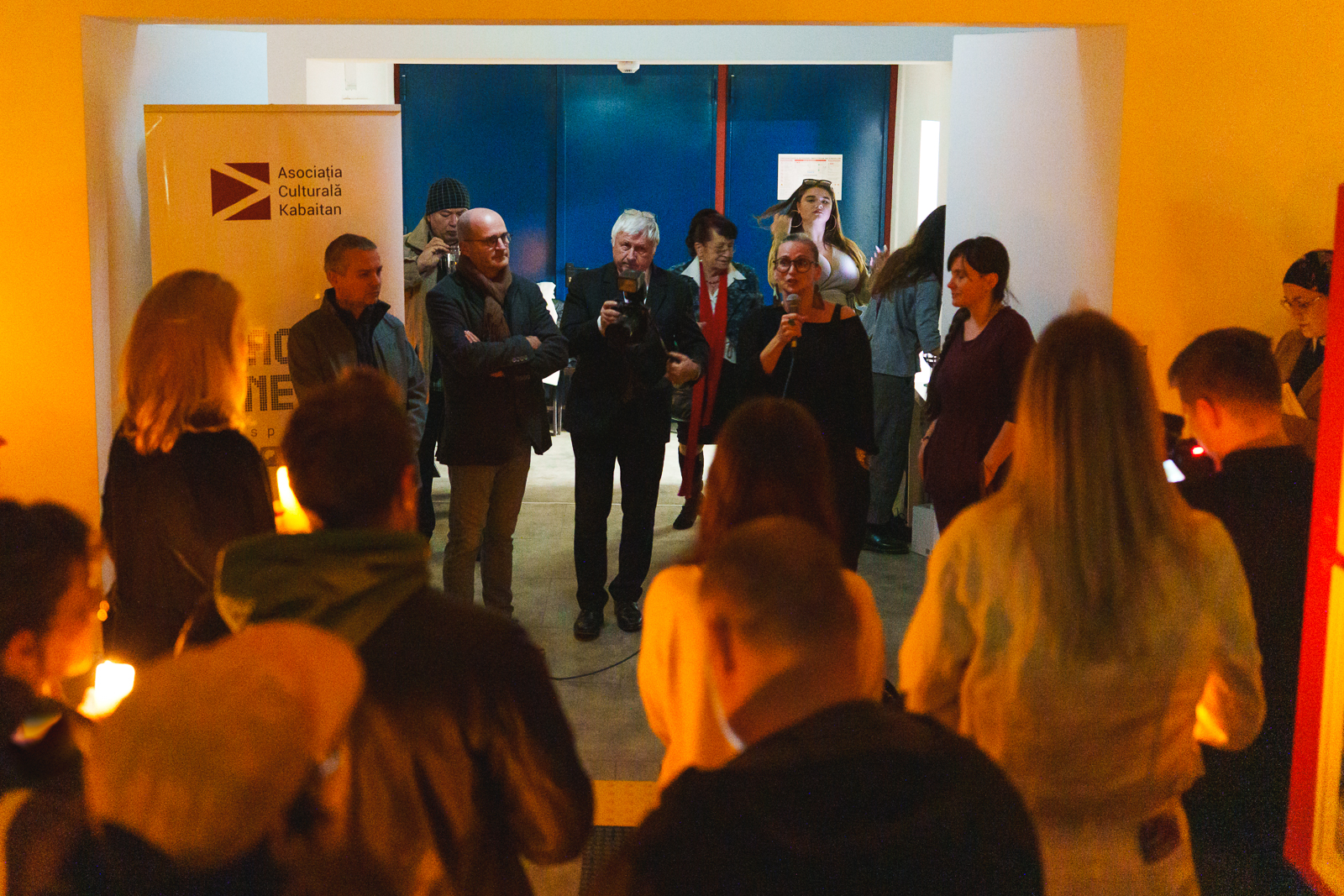
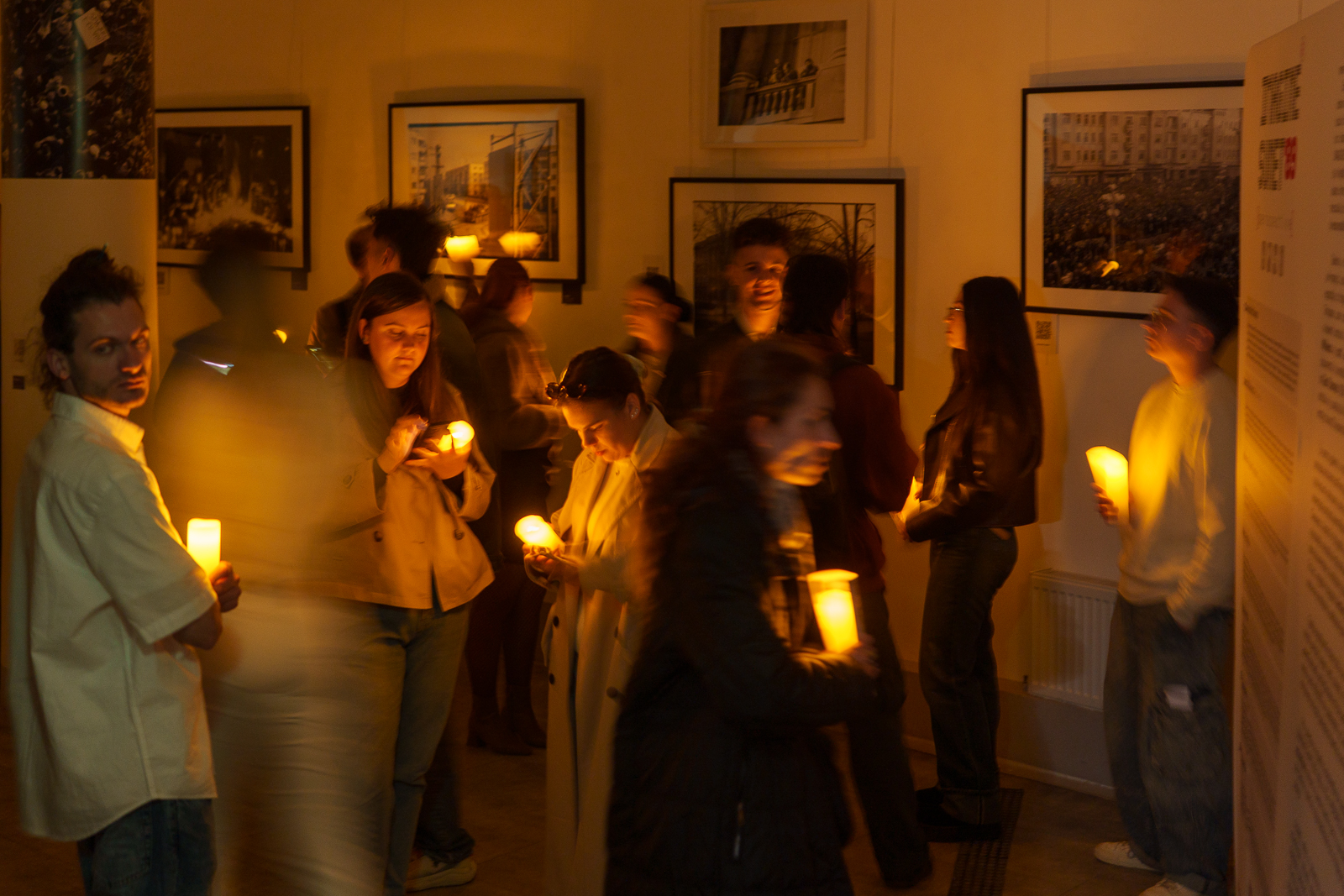
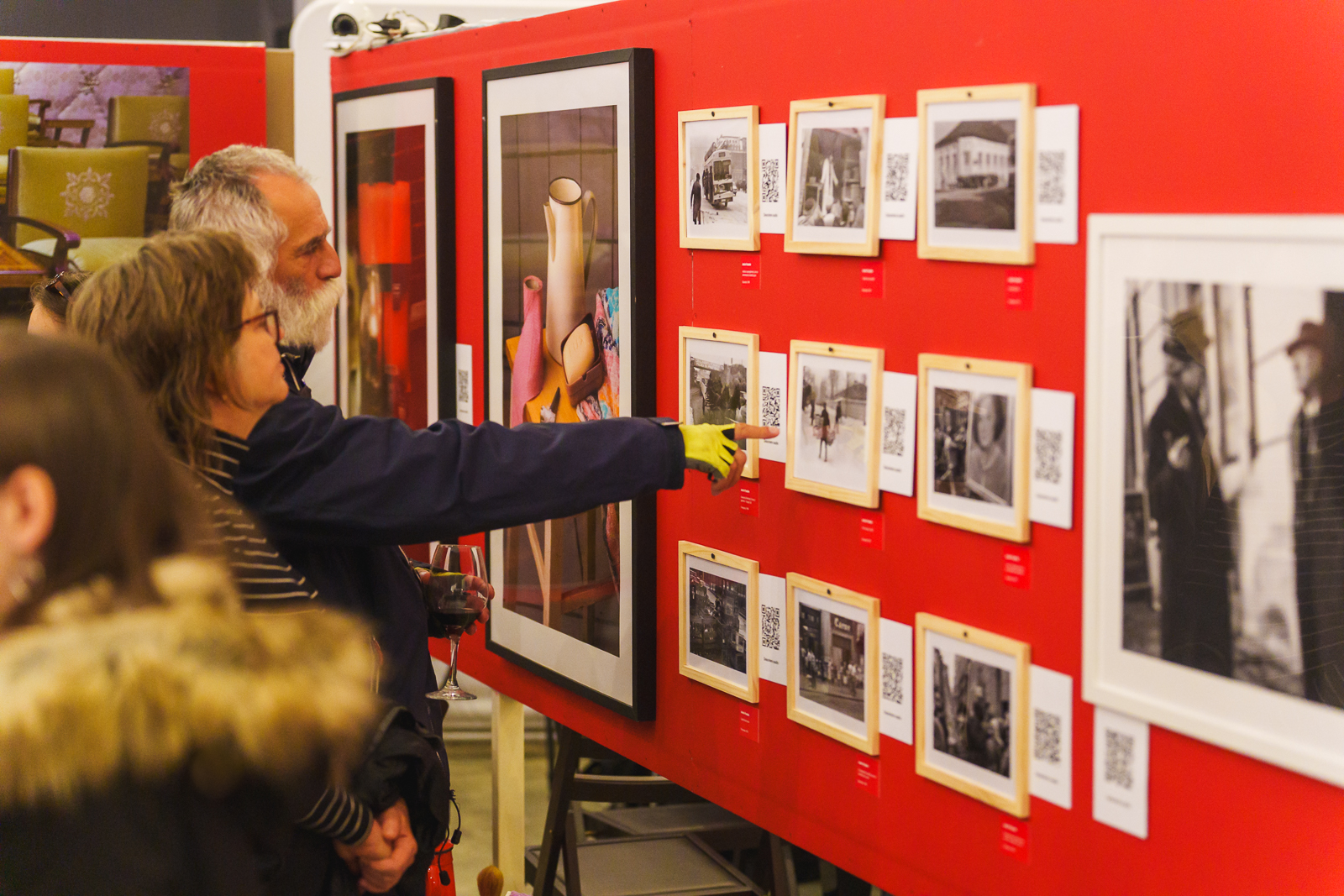
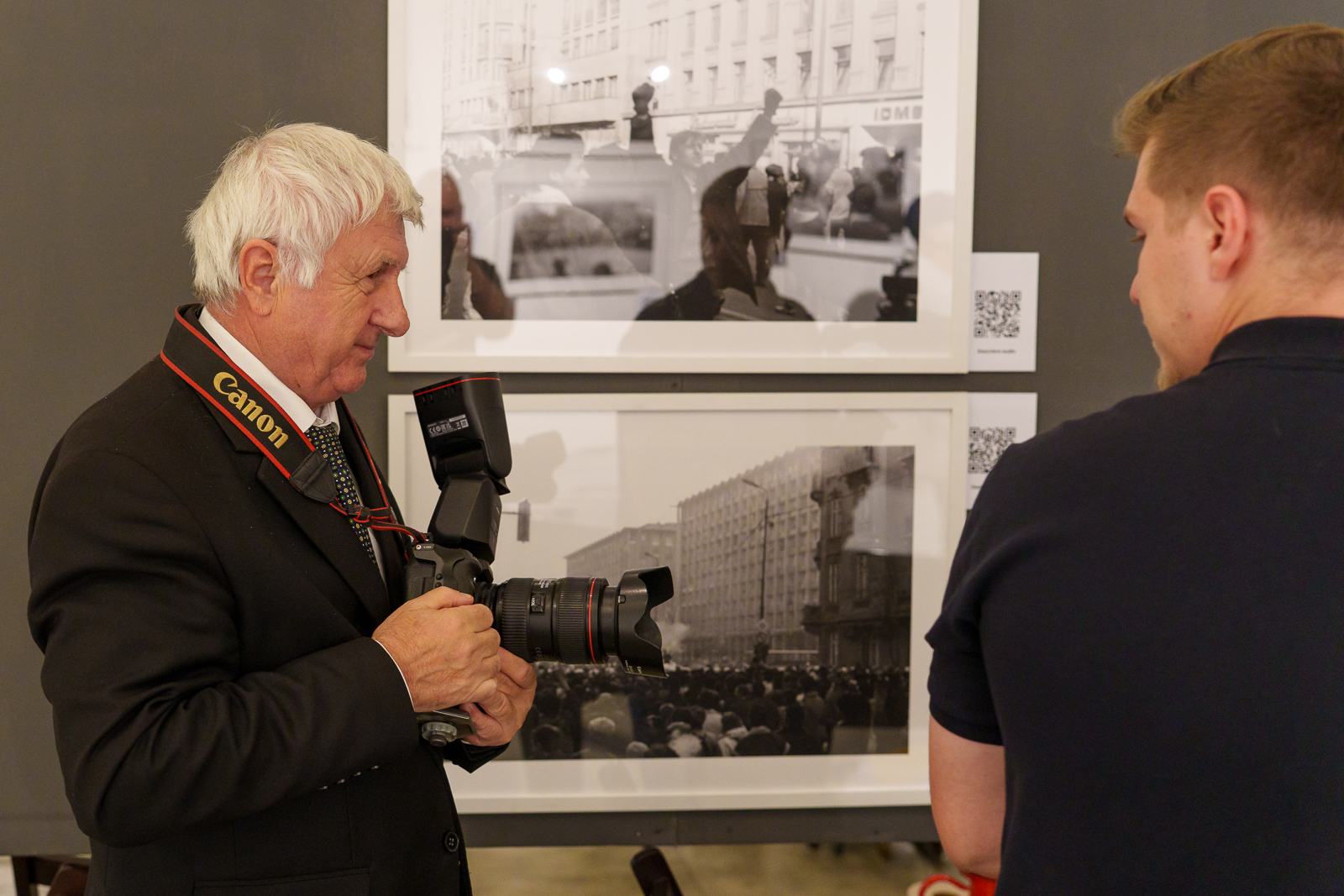
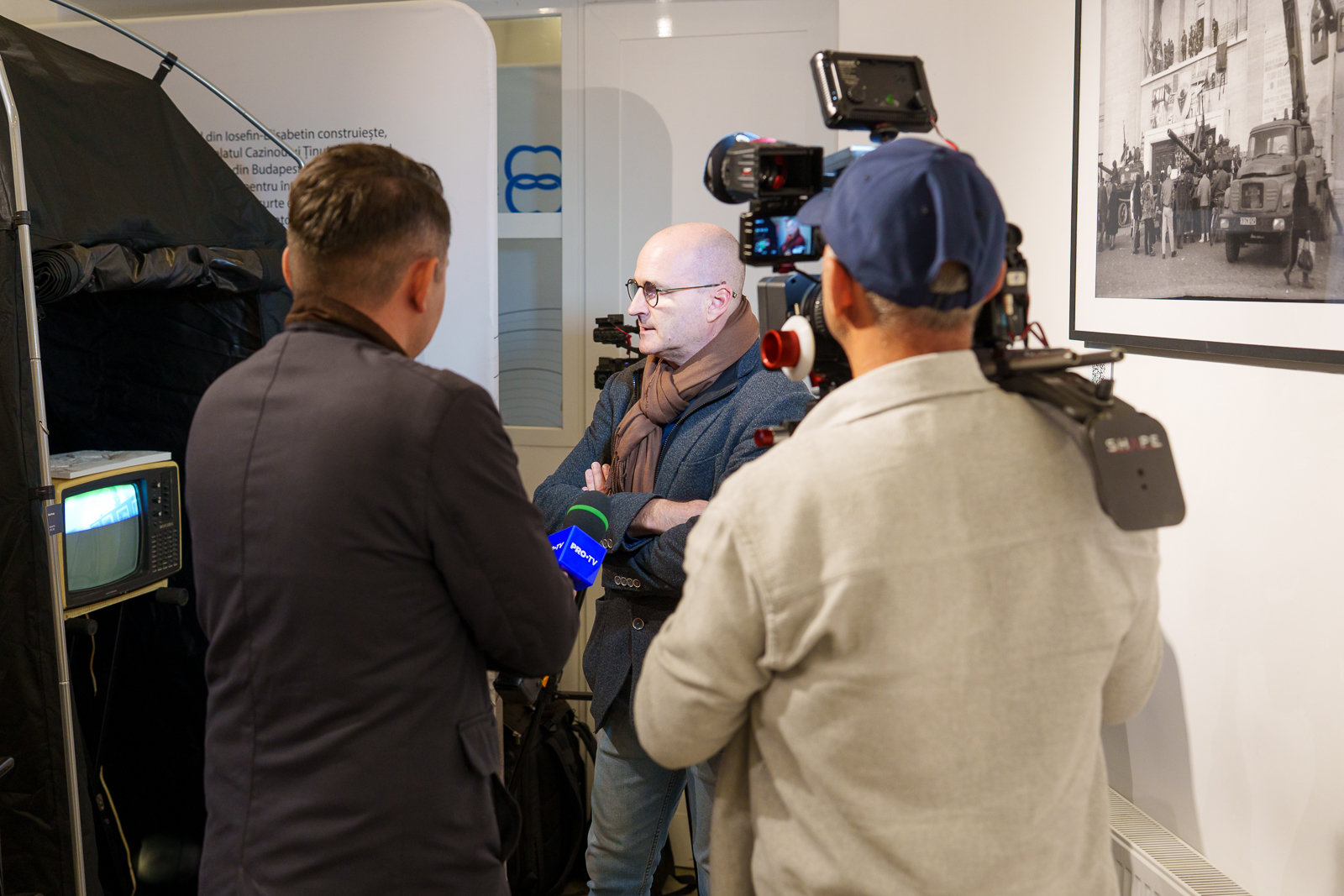
Through its circular architecture, the Rotonda Gallery becomes a metaphor for collective memory — a structure in which the past continually returns. The exhibition seeks to reactivate memory through image, so that history may be understood rather than repeated. Located near Piața Maria, the very place where the 1989 Revolution in Timișoara began, this historically charged site transforms the retrospective exhibition IMAGINE.SUNET.’89. Perspective into a visual journey of freedom — and of its fragility.
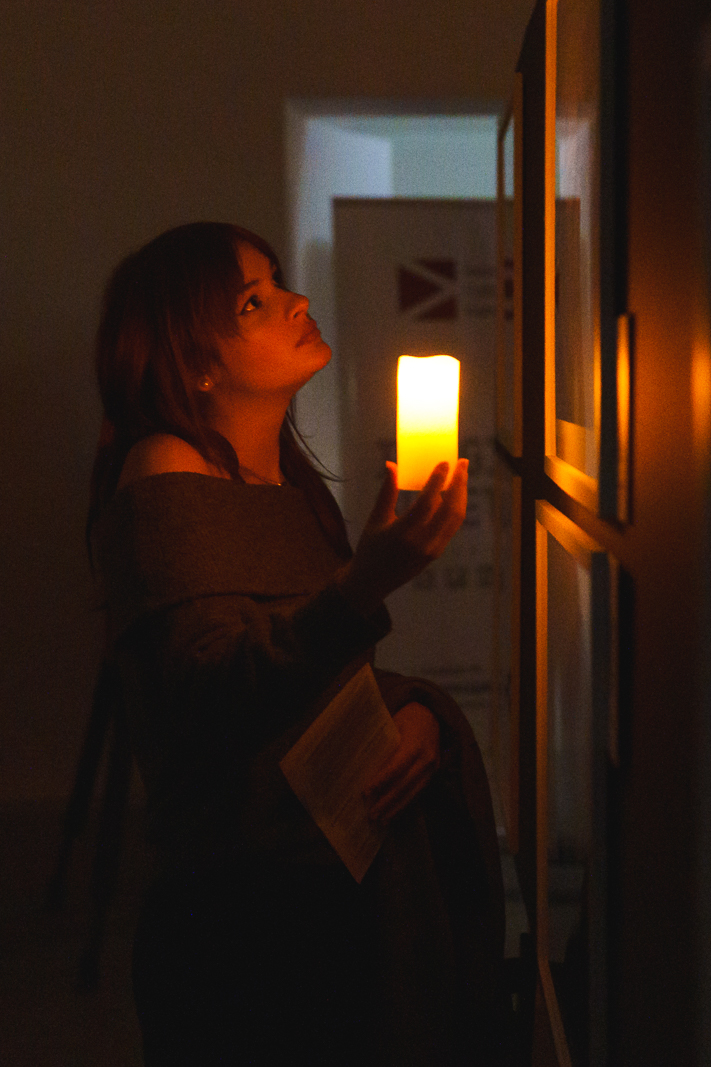
In this space, marked by a continuous oscillation between memory and oblivion, between resistance and conformity, the exhibition is not merely an evocation of the past, but a meditation on the present — an invitation to lucidity, empathy, and civic responsibility.
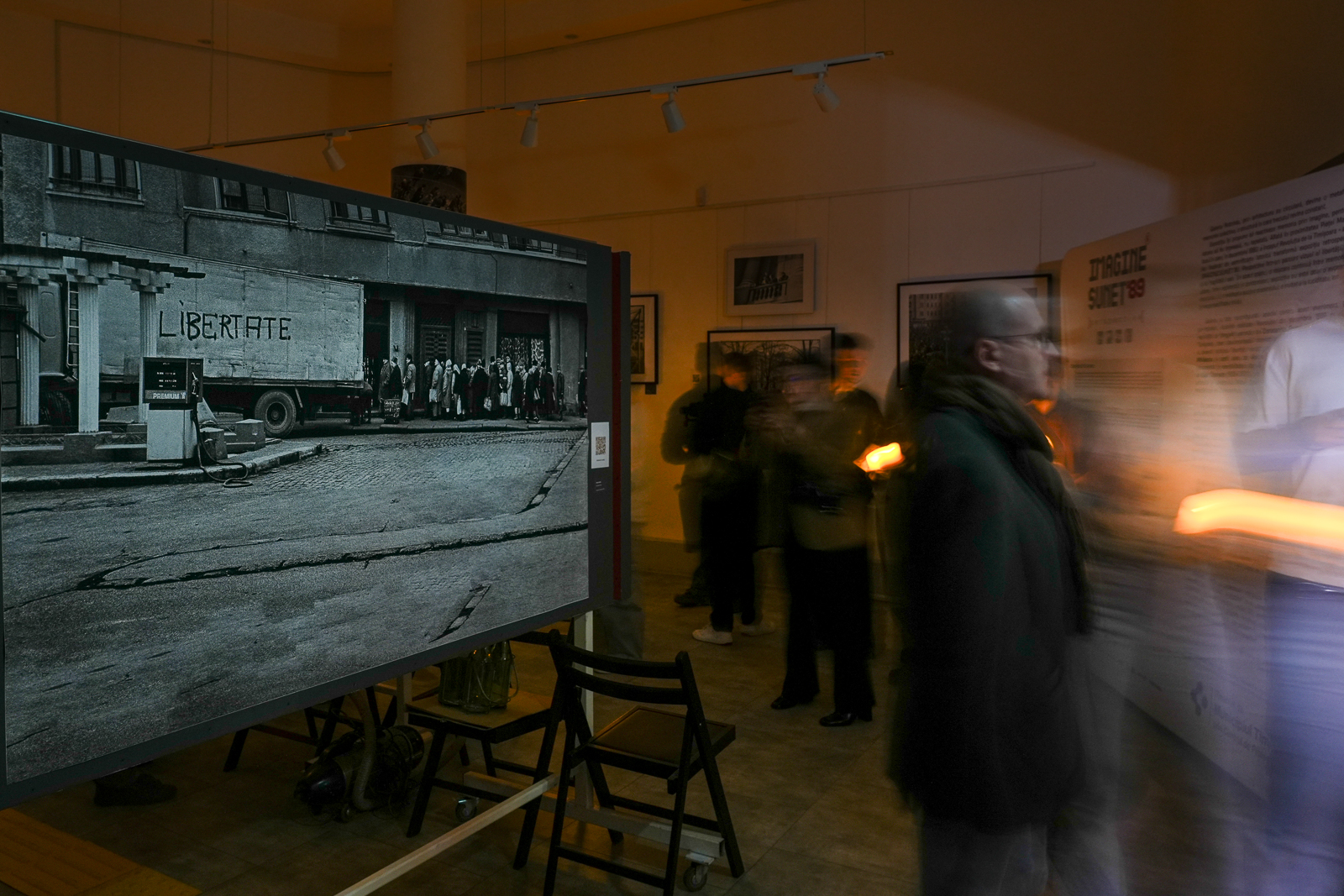
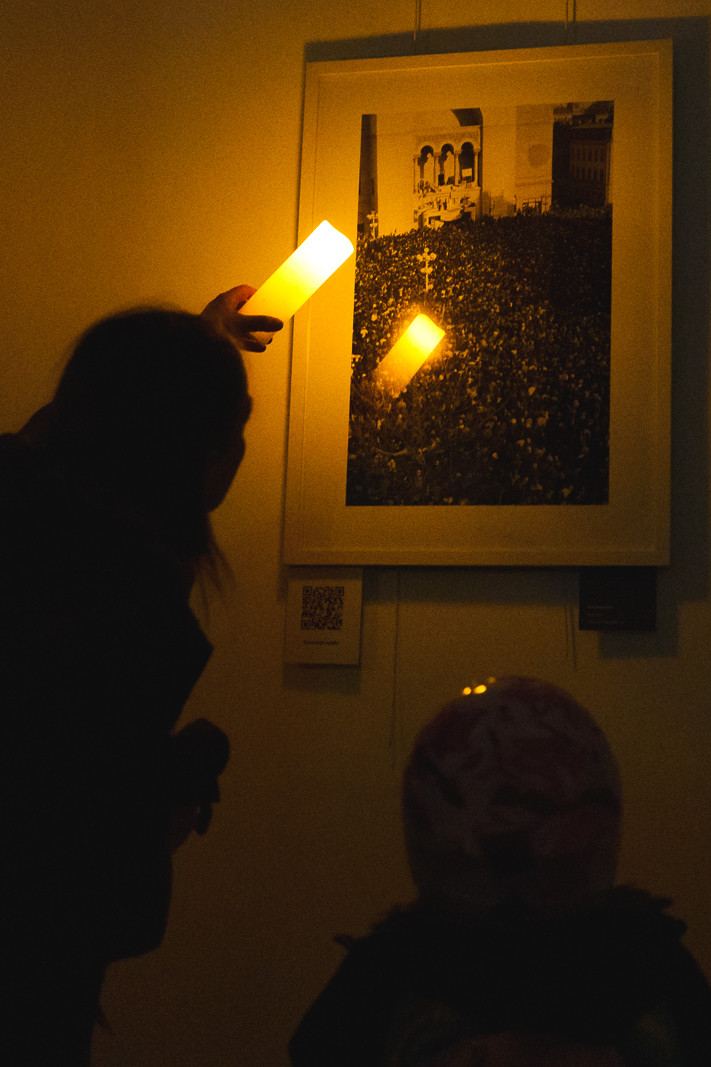
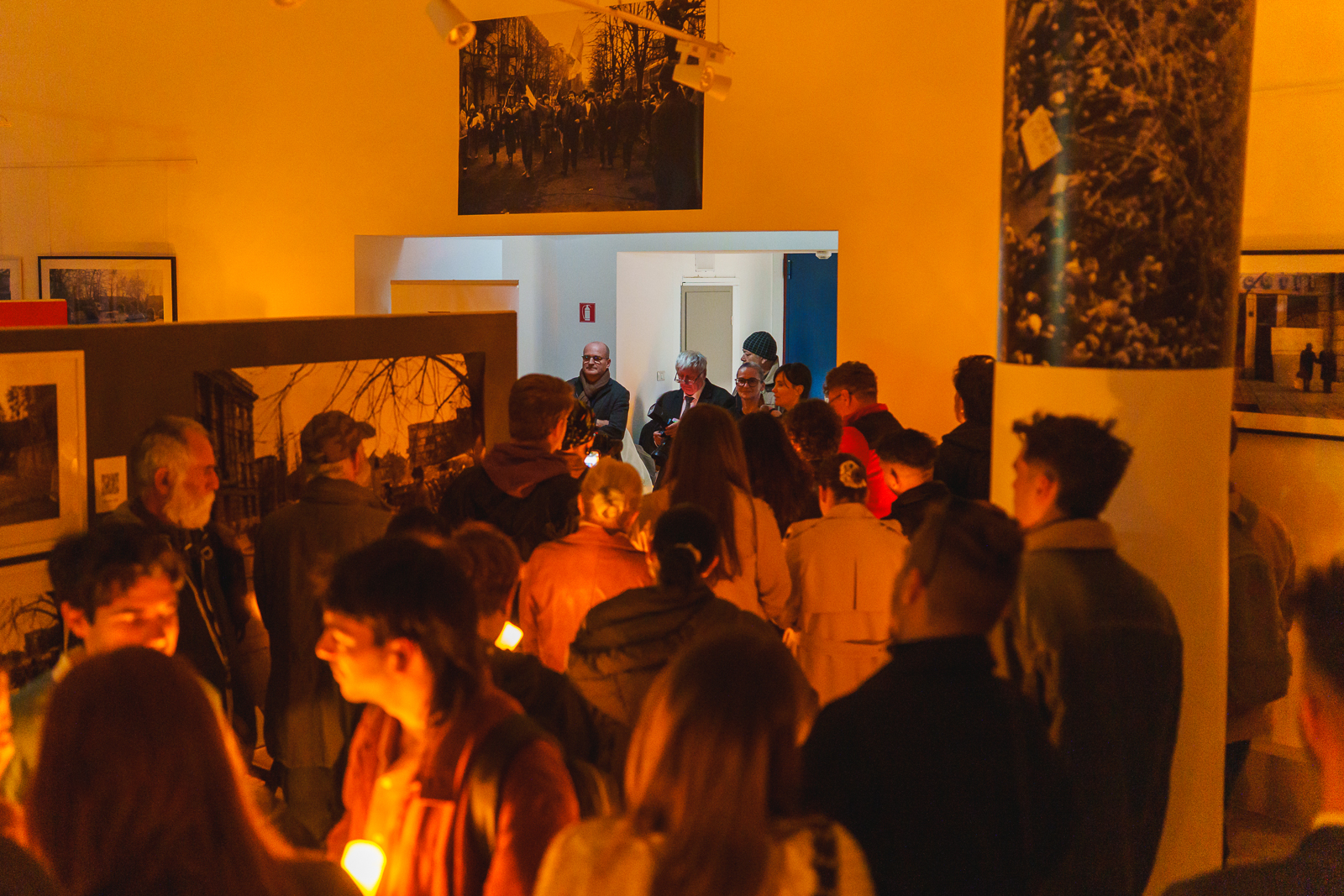
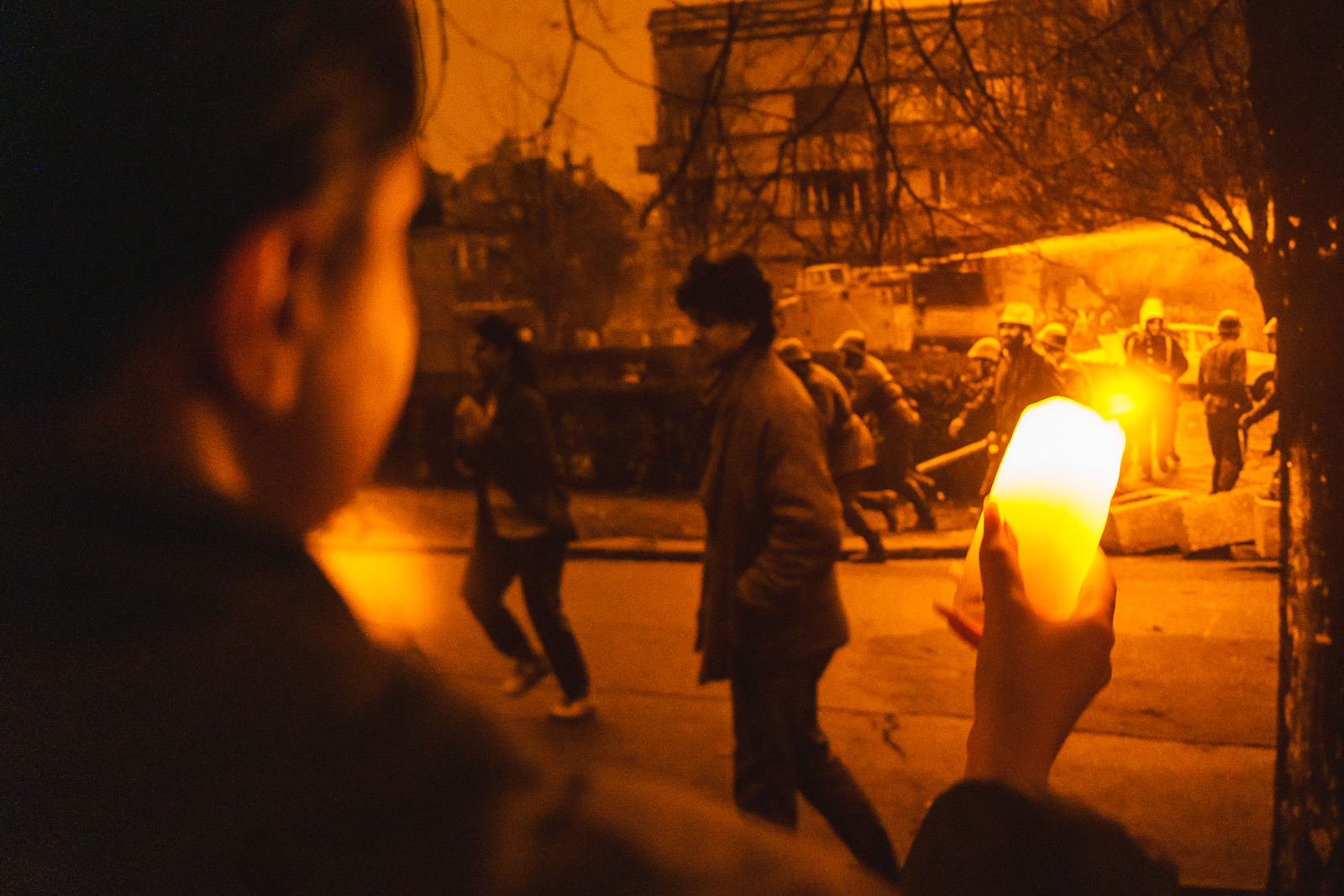
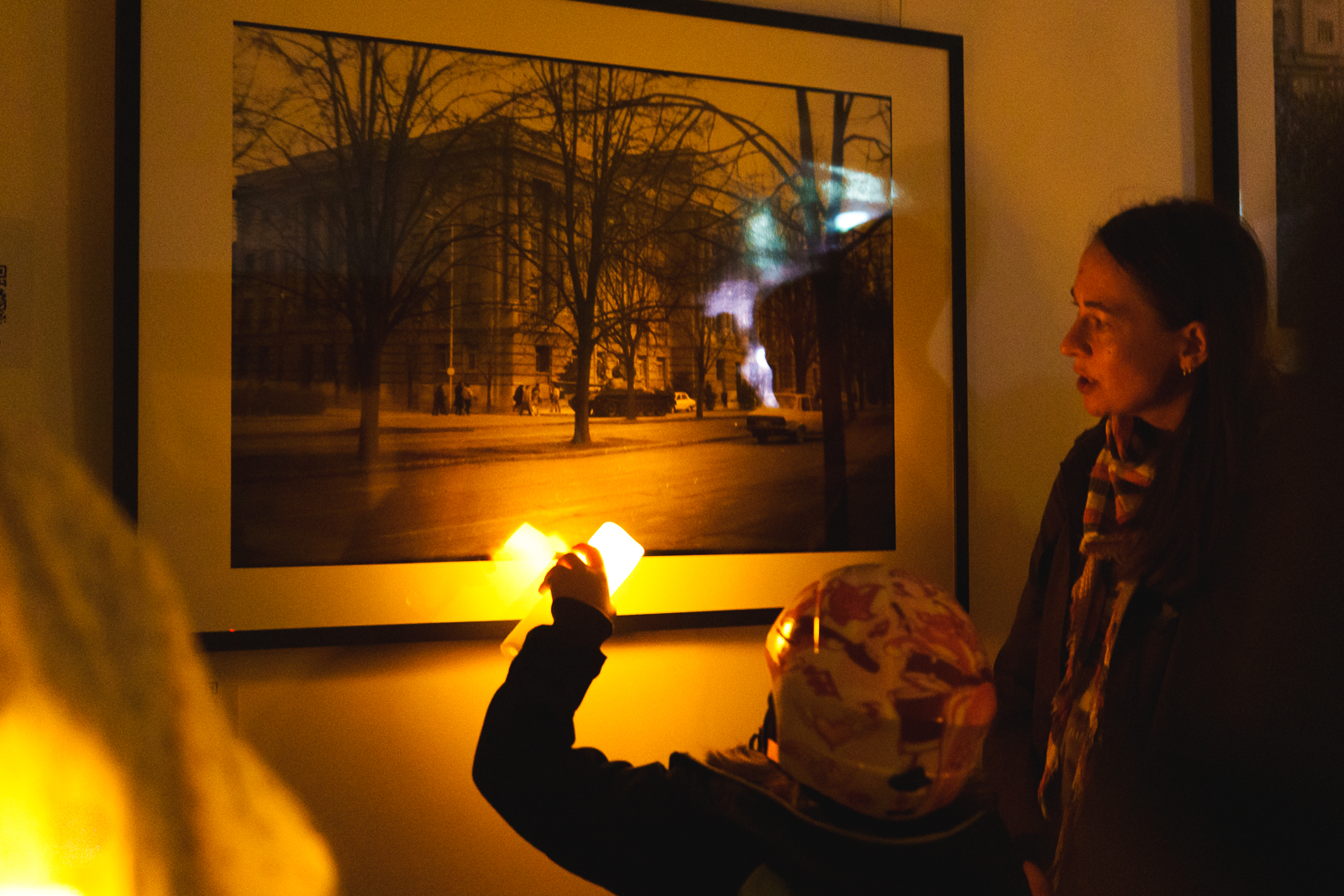
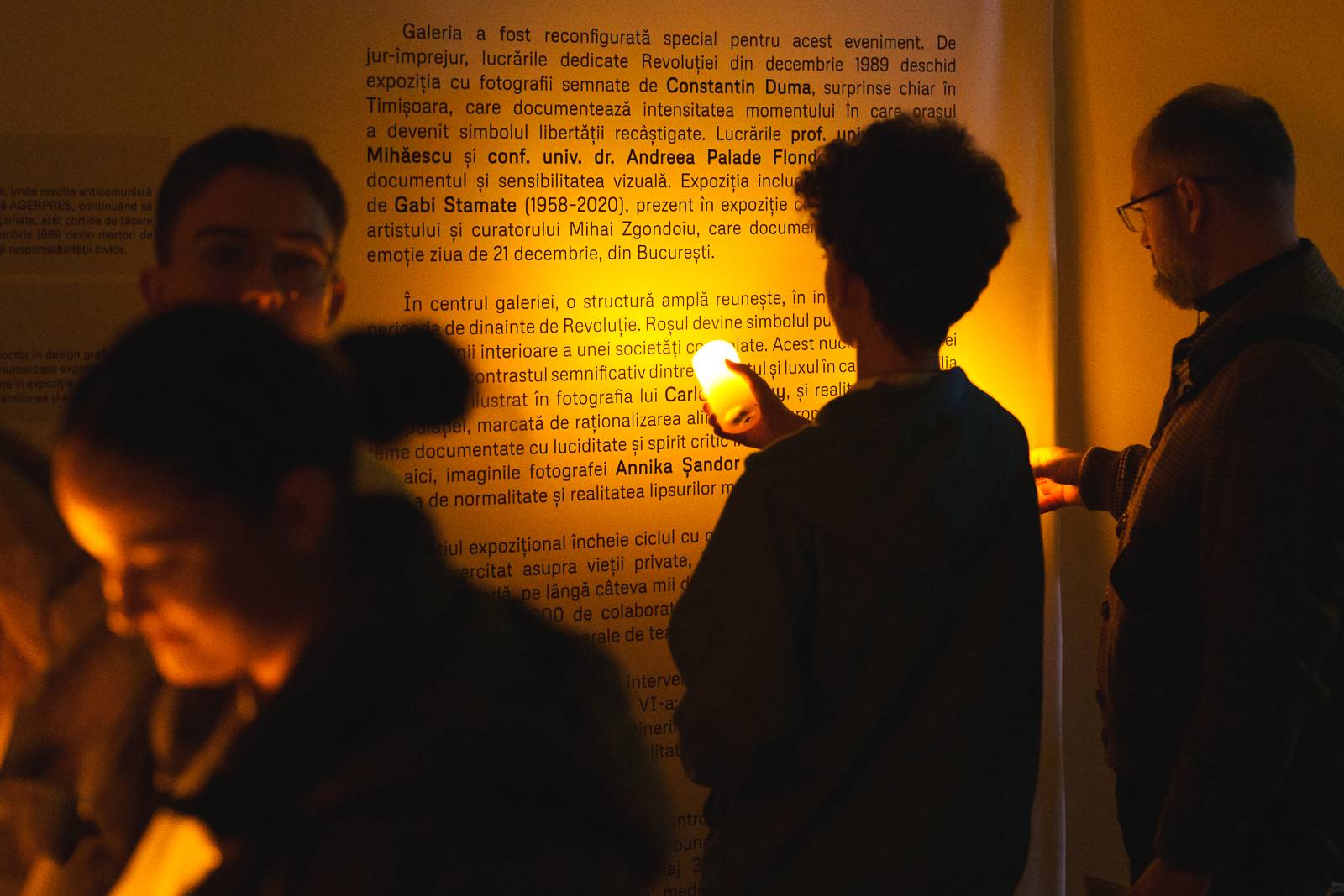
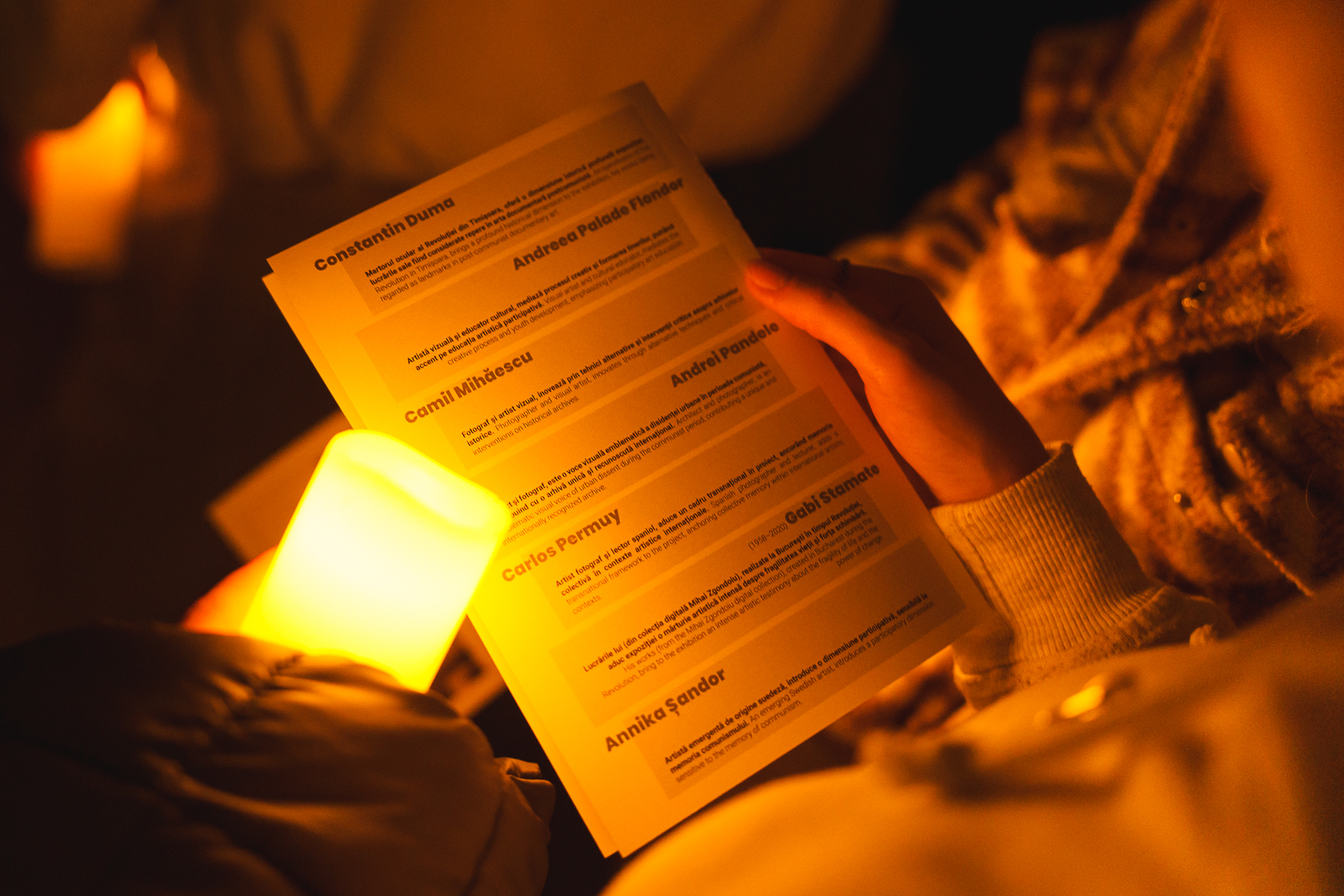
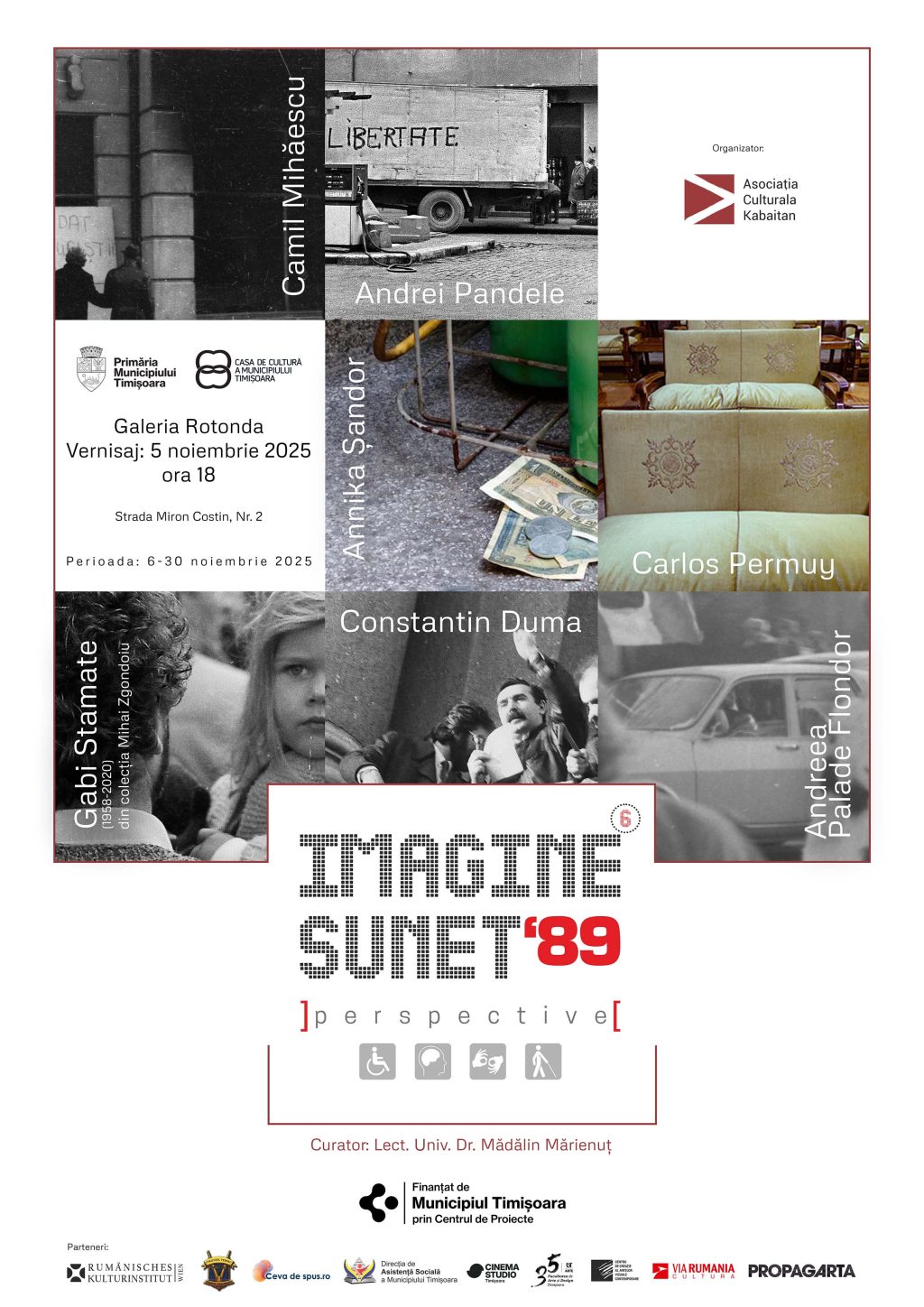
The gallery has been specifically reconfigured for this event. All around, works dedicated to the December 1989 Revolution open the exhibition with photographs by Constantin Duma, taken in Timișoara itself, documenting the intensity of the moment when the city became the symbol of regained freedom. The works of Prof. PhD Camil Mihăescu and Assoc. Prof. PhD Andreea Palade Flondor establish a dialogue between documentary material and visual sensibility. The exhibition also includes works by Gabi Stamate (1958–2020), featured through the collection of artist and curator Mihai Zgondoiu, documenting with fear and emotion the events of December 21st, 1989, in Bucharest.
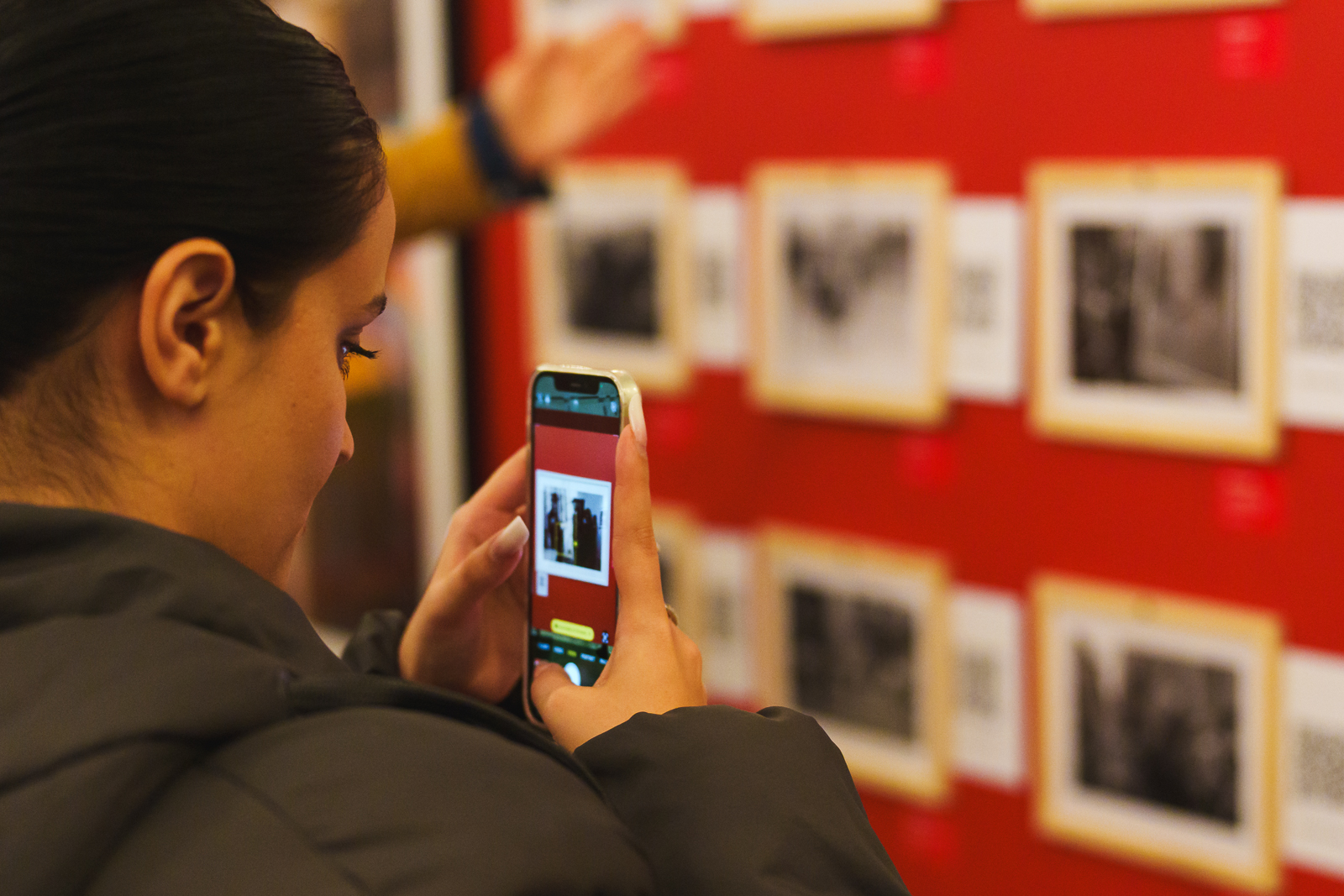
At the center of the gallery, an ample structure gathers within it images from the period preceding the Revolution. Red becomes a symbol of power and fear, but also of the inner tension of a controlled society. This core of the exhibition highlights the striking contrast between the comfort and luxury of the Ceaușescu family, depicted in a photograph by Carlos Permuy, and the daily hardships of the population, marked by food rationing, propaganda, and censorship — themes documented with lucidity and critical insight in the works of Andrei Pandele. Likewise, the photographs of Annika Șandor explore the tension between the need for normalcy and the material shortages of the time.
The exhibition space concludes with a video installation addressing the invisible control exerted over private life during the communist regime. In that period, alongside several thousand officers of the political police, there were over 400,000 informants who contributed to maintaining a general state of fear and conformity.
Through its visual selection and acts of cultural mediation, the project IMAGINE.SUNET.’89, 6th Edition: Perspective functions as an educational tool, aimed especially at younger generations who did not experience those events firsthand, but who bear the responsibility of understanding and protecting freedom.
This edition introduces an innovative direction of cultural accessibility, integrating best practices for persons with disabilities — including narrative descriptions, 3D tactile models, simplified language, sign language interpretation, guided tours, and mediation — as a component developed from the experience of the previous two editions of the Perspective project (2023 and 2024), coordinated by the Kabaitan Cultural Association.
—
The project IMAGINE.SUNET.’89, 6th Edition: Perspective, organized by the Kabaitan Cultural Association, is funded by the Municipality of Timișoara through the Timișoara Project Center.